
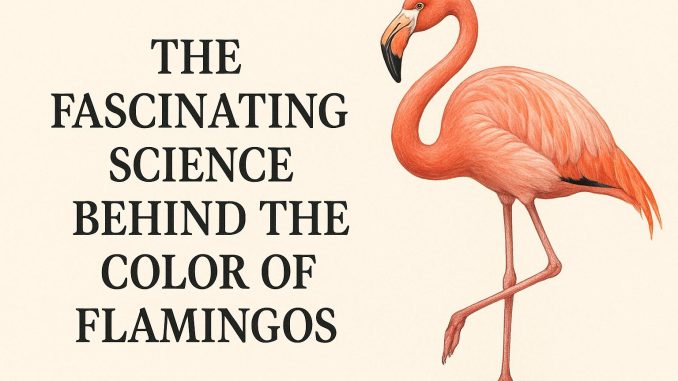
The Remarkable Hue of Flamingos: An Exploration
Flamingos, with their distinct pink and reddish hues, are among the most recognizable birds in the world. Their intriguing coloration is a result of natural dietary factors and complex biological processes that have captivated the interest of scientists and bird enthusiasts alike.
Diet and Pigmentation
The primary factor behind the pink coloration of flamingos is their diet, which predominantly consists of organisms like algae, crustaceans, and plankton found in their aquatic habitats. These food sources are rich in carotenoids, notably beta-carotene, which is found in abundance in brine shrimp and blue-green algae.
Carotenoids and Their Role
Carotenoids are organic pigments that occur naturally and contribute to the vibrant colors visible in a wide range of plants and animals. In the case of flamingos, these pigments are absorbed through their digestive systems and then distributed to their skin and feathers. This absorption results in varying shades of pink, orange, or red.
Transformation of Carotenoids
Upon ingestion, carotenoids undergo a breakdown process in the liver, where they are converted into pigment molecules by specific enzymes. These pigments, once processed, are transported via the bloodstream to be deposited into the growing feathers, skin, and other tissues, gradually enhancing the bird’s coloration.
Variation in Color Intensity
The intensity of a flamingo’s color can be influenced by several factors, most notably their dietary intake of carotenoid-rich foods. Flamingos with greater access to algae and crustaceans generally display more intense pink hues compared to those with limited access to these dietary resources.
Influence of Species and Environment
Different flamingo species show varying levels of pigmentation. For instance, the American flamingo often displays vibrant colors due to its diet high in carotenoids, while the lesser flamingo, which consumes significant amounts of blue-green algae, may exhibit a pinker hue. Furthermore, environmental factors like water quality and the availability of carotenoid-rich foods can also influence their coloration.
Species-Specific Dietary Patterns
In the flamingo family, different species have developed unique dietary patterns that impact their pigmentation. For instance, the greater flamingo typically feeds on crustaceans and algae, leading to its more vivid coloration. In contrast, the Andean flamingo, with a diet involving specific algae, tends to have a softer coloration. Each species’ diet, adapted to its specific habitat, thus directly influences the brightness and depth of its color.
The Biochemistry Behind Flamingo Pigmentation
The transformation of carotenoids into the striking pigments of flamingos involves a series of biochemical reactions that underscore the complexity of their coloration. This transformation occurs when enzymes in the liver convert the ingested carotenoids into molecules that the flamingo’s body can distribute effectively throughout its tissues.
Enzymatic Breakdown and Integration
The enzymes that facilitate the breakdown and conversion of carotenoids are crucial in determining the efficiency and extent to which the pigments are integrated into the flamingo’s tissues. These enzymes work to transform the ingested beta-carotene into specific types of pigments that give flamingos their renowned hues.
Role of Liver and Cell Distribution
The liver acts as the primary site for carotenoid conversion, where the distributed pigments find their way to different parts of the flamingo’s body. Through this process, the pigments are pushed out into the keratin structures of the feathers, which are eventually molted and replenished, maintaining the vibrant colors characteristic of healthy flamingos.
Environmental Impact on Flamingo Color
The coloration of flamingos is not solely a reflection of their diet but is also significantly affected by their surrounding environment. Factors such as water salinity, availability of carotenoid-rich food sources, and habitat conditions can alter the intensity of their pigmentation.
Water Salinity and Algal Growth
The salinity levels of water bodies occupied by flamingos can impact the growth of carotenoid-rich algae and shrimp, thereby affecting the availability of their primary food sources. Higher salinity often supports a greater density of these organisms, offering flamingos more sustenance and leading to stronger pigmentation.
Impact of Seasonal Changes
Seasonal variations can bring about changes in water levels and quality, influencing the concentration and types of food available to flamingos. During seasons when food is abundant, the natural brilliance of their plumage is enhanced. Conversely, during lean periods, a diminishment in food sources can lead to reduced coloration.
Adaptation and Survival
Flamingos have adapted over time to thrive in environments that might be inhospitable to other species. Their coloration serves not only as an aesthetic characteristic but also as a marker of health and vitality. Those with more vivid colors are often found to be healthier and more successful in attracting mates, ensuring that their adaptations continue.
Conclusion
In conclusion, the stunning coloration of flamingos is a fascinating outcome of their unique diet and the biochemical processes that convert carotenoids into vibrant pigments. These colorful birds are not just a testament to the beauty of nature but also exemplify the intricate connections between organisms and their ecosystems. By understanding the underlying factors contributing to their unique hues, we gain insight into the broader ecological dynamics that govern the lives of these remarkable creatures.