
Introduction
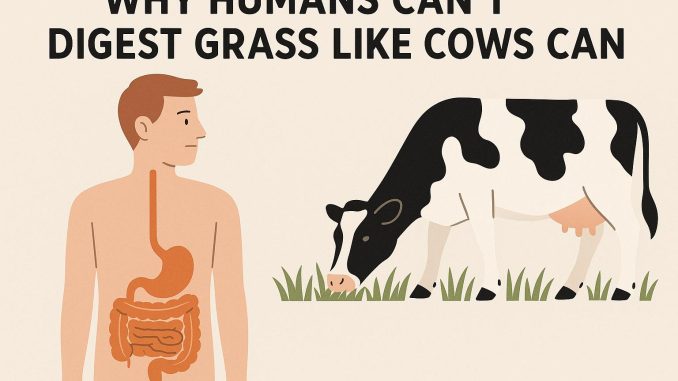
Understanding the reasons why humans cannot digest grass as efficiently as cows can is rooted in the biological and anatomical differences between the two species. While both humans and cows are mammals, the differences in their digestive systems are significant and highlight the complex adaptations each species has undergone to thrive in its respective environment.
The Ruminant Digestive System
Cows fall under a category of animals known as ruminants. This group includes other hoofed mammals such as sheep, goats, and deer, all of which possess a specialized digestive system designed to process fibrous plant material. The ruminant digestive system is a fascinating example of evolutionary adaptation, consisting of a stomach divided into four distinct compartments: the rumen, reticulum, omasum, and abomasum. Each compartment plays a critical role in breaking down plant material, particularly cellulose, which is a major component of grass.
The rumen serves as the primary chamber for fermentation, hosting a diverse community of microbes that facilitate the digestion of cellulose. These microbes, which include bacteria, protozoa, and fungi, are capable of breaking down cellulose into volatile fatty acids. These acids are absorbed into the bloodstream of the cow and converted into energy, effectively enabling the animal to utilize the nutrients locked within fibrous plant material.
Cellulose Breakdown
The breakdown of cellulose is a complex process that ruminants have mastered through a symbiotic relationship with their microbial inhabitants. In contrast, humans lack both the necessary enzymes and the appropriate digestive environment to perform this task. While the human gastrointestinal tract is adept at processing proteins, fats, and carbohydrates, it is ill-equipped to digest cellulose. This is primarily due to the absence of specific enzymes that would enable the breakdown of such complex carbohydrates into absorbable nutrients.
Human Digestive Limitation
The human digestive system is optimized for a varied diet, characterized by an omnivorous dietary pattern. Unlike cows, humans do not possess a fermentation chamber like the rumen, which limits their ability to extract significant nutritional value from grass. While humans can consume grass without immediate detrimental effects, the nutrients it contains are largely inaccessible due to our digestive limitations. Consequently, any energy expenditure in consuming and attempting to digest grass is unlikely to yield sufficient nutritional benefit.
Role of Enzymes
Enzymes are crucial to the digestive processes of all animals, catalyzing biochemical reactions that break down food into absorbable forms. While humans produce an array of enzymes capable of breaking down proteins, fats, and sugars, they lack cellulase—the enzyme necessary for breaking down cellulose. This absence is a fundamental reason why humans cannot digest grass like cows. Cellulase is a prerequisite for accessing the energy stored in cellulose, and without it, humans are left with an indigestible mass of plant material.
The Nutritional Composition of Grass
Grass is primarily composed of cellulose and other fibrous materials, making it a challenging dietary source for non-ruminant animals. While grass does contain some vitamins and minerals, such as beta-carotene and various micronutrients, these are not easily accessible to humans. Cows, on the other hand, are equipped with a digestive system that allows them to efficiently extract these nutrients through their advanced fermentation process. This stark contrast underscores the unique adaptations that different species have developed based on their ecological niches.
Adaptation and Evolution
Throughout evolution, humans have developed as omnivores, establishing a dietary pattern that relies on a diverse range of nutritional sources. This evolutionary pathway has led to the development of a digestive system distinct from that of herbivores like cows. Human ancestors adapted to consume a variety of foods, including fruits, seeds, meats, and cooked starches, driving the evolution of a digestive system tailored to this diversity. The evolution of such dietary flexibility is one of the defining characteristics of human nutritional adaptation.
Conclusion
In conclusion, the differences in digestive capabilities between humans and cows are profound and can be attributed to evolutionary adaptations specific to each species. Cows have evolved a complex digestive system, allowing them to effectively extract nutrients from grass through multiple specialized stomach chambers and a symbiotic relationship with microbial populations. In contrast, humans have developed a versatile digestive system that supports a broad spectrum of dietary options. These distinctions highlight the significance of diet and digestive adaptations in mammals, underscoring the diverse strategies employed by animals to meet their nutritional needs in varied environments. For further reading on digestive systems and nutrition, consider exploring reputable sources such as academic articles or books by experts in mammalian biology.