
Understanding Cellular Renewal in the Human Body
The human body is an intricately designed system characterized by its dynamic nature, undergoing constant changes through the cycle of cellular renewal. This intricate process involves the replacement of cells at varying rates, ensuring that most cells continue to be part of an ongoing cycle of regeneration. Cellular renewal is not merely an adaptive strategy but a fundamental aspect of maintaining the body’s integrity and function.
The Lifespan of Different Cells
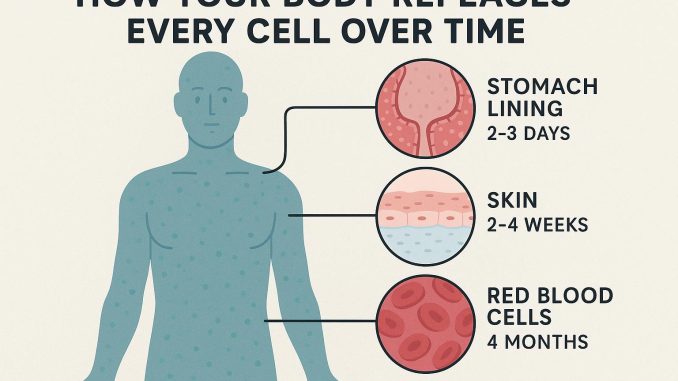
The plethora of cells within the human body exhibit diverse lifespans and rates of renewal. Red blood cells, vital for oxygen transport, exemplify this diversity with a typical lifespan of about 120 days. They are produced in the bone marrow and replaced regularly to maintain optimal circulatory health. Similarly, the epidermis, the outermost layer of the skin, undergoes a complete renewal cycle every 2-4 weeks. This continuous shedding and renewal are crucial for protecting underlying tissues and ensuring the skin remains a resilient barrier against external elements.
Neurons: An Exception to Fast Replacement
In contrast to many other cell types, neurons or nerve cells in the brain, represent an exception when it comes to quick replacement. Traditionally, it was believed that neurons did not regenerate significantly after their initial formation. However, recent scientific studies have revealed a nuanced understanding: specific regions of the brain do produce new neurons, albeit at a slower pace compared to other cellular types. This discovery, predominantly focused on areas like the hippocampus, involved in learning and memory, has paved the way for deeper investigations into neuronal regeneration. Exploring more detailed research from academic institutions and expert publications can provide further insights into this domain.
Regeneration and Liver Cells
The liver is an exemplification of robust cellular regeneration. Hepatocytes, the dominant cell type within the liver, possess remarkable regenerative capabilities. This ability to divide and regrow is particularly evident when the liver sustains damage, underscoring its critical role in maintaining liver function and metabolic balance. Even after significant injury or surgery, liver cells can multiply and restore functionality, demonstrating the organ’s resilience and importance within the human body.
Benefits of Cellular Renewal
The ongoing process of cellular renewal is essential for the preservation of health and functionality in the human body. This remarkable capacity facilitates effective repair and recovery from injuries, fortifies immune responses, and supports adaptation to diverse environmental changes. Understanding these processes holds potential for advancing medical interventions that could enhance the body’s inherent regenerative abilities.
Cellular renewal not only aids in physical repair but is also crucial in regulating physiological homeostasis. By continuously replacing old or damaged cells, the body ensures a balanced state where functions are optimized, and internal processes remain uninterrupted. For example, the replacement of epithelial cells within the gut is crucial for nutrient absorption and maintaining barrier functions. Similarly, immune cells are consistently replenished to ensure readiness against pathogens.
Furthermore, the regulated turnover of cells mitigates the risk of disease. The regular clearance and renewal of cells deter the accumulation of potentially damaged or malfunctioning cells, thus reducing the likelihood of transformation into cancerous forms. This aspect of cellular renewal highlights its role in disease prevention, serving as a natural mechanism to uphold cellular integrity.
As research into cellular renewal progresses, it brings hope for medical breakthroughs such as enhancing tissue engineering and regenerative medicine. A deeper comprehension of how different cells regenerate could lead to innovative treatments for degenerative diseases, aiming to restore or replace damaged tissues with newfound precision. Tissue regeneration therapies, currently in experimental stages, could be significantly propelled forward with a comprehensive understanding of cellular renewal mechanisms, ultimately improving the quality of life and lifespan for numerous individuals.
Moreover, advancements in this field can also enhance our understanding of organismal aging. By investigating how cellular turnover changes with age, scientists seek insights into why regenerative abilities diminish over time. Unraveling the secrets of why certain cells stop regenerating effectively as we age could lead to interventions that prolong the regenerative potential, consequently mitigating the impacts of aging and associated diseases.
In conclusion, the process of cellular renewal within the human body is a testament to nature’s ingenuity, ensuring robustness and adaptability in a constantly changing environment. Although different cells follow distinct replacement cycles, the overarching principle of renewal remains a cornerstone of human physiology. Continued exploration and understanding of this phenomenon are vital as they offer promising avenues for medical research and potential therapies capable of significantly altering the landscape of modern medicine and health care.
For further exploration of the body’s regenerative abilities, consulting reputable health websites and publications specializing in biology and medicine is recommended. These resources can provide in-depth information and the latest developments concerning cellular renewal and its implications for future medical advancements.